

Energy Transition Programme

Role of Energy Transition in Africa’s Energy Development
Addressing Africa’s energy trilemma requires a delicate balancing act. Expanding energy access to millions of underserved populations while maintaining environmental sustainability and guaranteeing energy security. Environmental responsiveness is especially vital considering Africa faces an unfair reality: despite accounting for less than 5% of global emissions, the continent remains among the most faced by impacts of climate change.
About the African Energy Transition Programme
This African Energy Transition Programme—defined by the 2022 African Common Position on Energy Access and Just Transition and anchored on the African Union Agenda 2063, Sustainable Development Goals (SDGs) and Paris Agreement on climate change —is therefore driven by the urgent need to eradicate energy poverty. Leverage on sustainable energy as a catalyst to stimulate inclusive economic growth, create wealth, and advance equality for a sustainable future.
The Programme consolidates the African Union's initiatives on energy transition into the African Energy Transition Strategy and Action Plan (ETSAP). The ETSAP adopted by the African Heads of State and Government in February 2026, reinforces Africa’s commitment to a low-carbon energy future and emphasizes our position- energy transition is not exclusive to Africa’s pathway to realizing its development aspirations. The overall goal being to fully mobilize Africa’s own energy resources and potential; bring energy to the top of national and regional agendas; and take approaches that put Africa directly on to innovative, low carbon energy development pathways, avoiding the fossil fuel lock-in now facing most industrialized and emerging economies.
Botswana, The Gambia and Madagascar are the pilot countries supported under the Programme to develop their National Deep Decarbonization Pathways using the ETSAP as the guiding framework for domesticating energy transition pathways.
Scope of the African Energy Transition Programme
- Provide advisory support to African Union Member States on strategy, policy, regulatory, financial and infrastructure developments to enhance the deployment of the continent’s abundant clean energy resources to achieve a sustainable energy supply.
- Undertake advocacy on the African Common Position on Energy Access and Just Transition and build strategic partnerships to promote investment, technology, capacity development and sustainable growth of Africa’s energy sector.
- Support long-term energy transition planning by building the skills and capacity of African Union experts.
- Promote peer learning and the exchange of experiences and best practices for energy transition among AU Member States, the private sector, and financiers.
The programme was developed in response to a call from the African Ministers meeting in the second ordinary session of the Specialized Technical Committee on Transport, Transcontinental and Interregional Infrastructure, Energy and Tourism (STC TTIIET) in April 2019 in Cairo, Arab Republic of Egypt, which mandated AFREC to develop the Africa Energy Transition Programme and support African Union (AU) Member States in their energy transition process.
Key Activities & Initiatives
News & Events
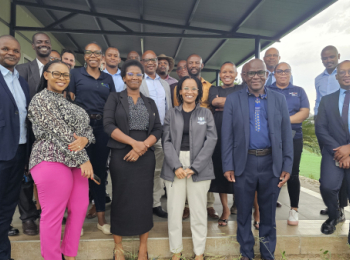
The African Energy Commission (AFREC), in collaboration with the Ministry of Minerals and Energy of Botswana, and the African Development Bank, has successfully conducted a high-level hybrid consultative workshop as
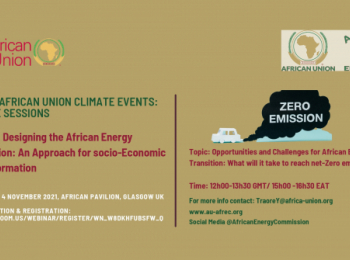
Theme: Designing the African Energy Transition: An Approach for Socio-Economic Transformation
What: COP 26 African Union Side event. The Discussions will focus on the ‘‘Opportunities and Challenges for